
Forms & basics
USCIS notices explained
Receipts, biometrics, RFEs, NOIDs, NOIRs, approvals and NTAs explained, with deadlines and next steps.
Privately operated educational resource. Not affiliated with the U.S. government.

Choose a deadline, enter the starting date and get the date or filing window, with a calendar file you can save. It covers the asylum one-year bar, RFE and NOID responses, I-751 and N-400 windows, appeals, motions and student work windows.

Pick the deadline you need, then enter the starting date the rule uses, such as your last arrival date, the date on a decision, or your card's expiration date. If you are not sure which date a notice uses, our notice decoder explains common USCIS notices. The calculator applies the published rule and shows the result date or window. You can download an .ics file to add it to your calendar.
Do not rely on this tool alone for a deadline that could end your case. Some rules have exceptions, extensions or different starting points, and the date on your own notice or decision always controls. Missing an appeal or asylum deadline can be impossible to fix, so confirm it with an attorney. You can ask us to connect you with one or find free legal help.


You generally must file for asylum within one year of your last arrival in the United States. There are limited exceptions for changed or extraordinary circumstances, which must be shown, and you still must file within a reasonable time. Talk to an attorney if you are close to or past the one-year mark.
Conditional permanent residents through marriage usually file Form I-751 jointly during the 90 days before the second anniversary of becoming a resident, which is the expiration date on the two-year green card. Filing too early can lead to rejection, and missing the window can end your status, so enter the card's expiration date to see the window.
USCIS lets you file Form N-400 up to 90 days before you meet the continuous residence requirement: five years for most permanent residents, or three years for many spouses of U.S. citizens. The calculator shows the earliest date. You must also meet physical presence and the other requirements on the date you file.
An appeal to the Board of Immigration Appeals must be received within 30 calendar days of the immigration judge's decision. A 2026 rule that tried to cut this to 10 days was vacated by a federal court before it took effect, and EOIR confirmed the 30-day deadline in March 2026. Because the deadline is strict, contact an attorney immediately.
General information, not legal advice. Immigration rules change and every case is different; talk to a qualified immigration attorney about your situation. USVisa.com is not a government website. Spot an error? Tell us.
Receipts, biometrics, RFEs, NOIDs, NOIRs, approvals and NTAs explained, with deadlines and next steps.

Who qualifies for asylum, the one-year deadline, Form I-589, 2026 fees, work permit timing and the latest court rulings.
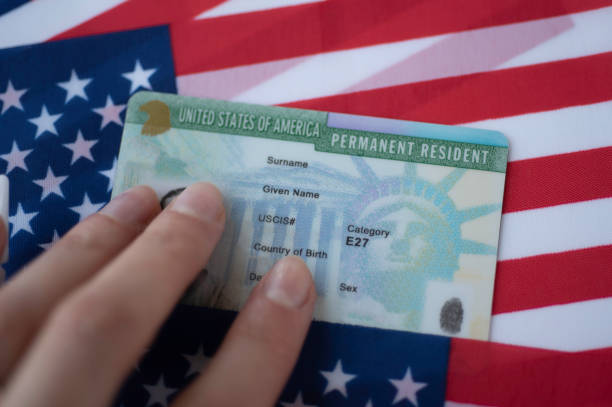
Form I-90 for 10-year cards, I-751 and I-829 for conditional cards, reentry permits, and travel and abandonment risks.

N-400 eligibility, residence and presence rules, the 2025 civics test, fees as of October 2026, and N-600 for children.